



Rental solutions for companies
iPhone vs. Samsung: Which smartphone is better for business use?
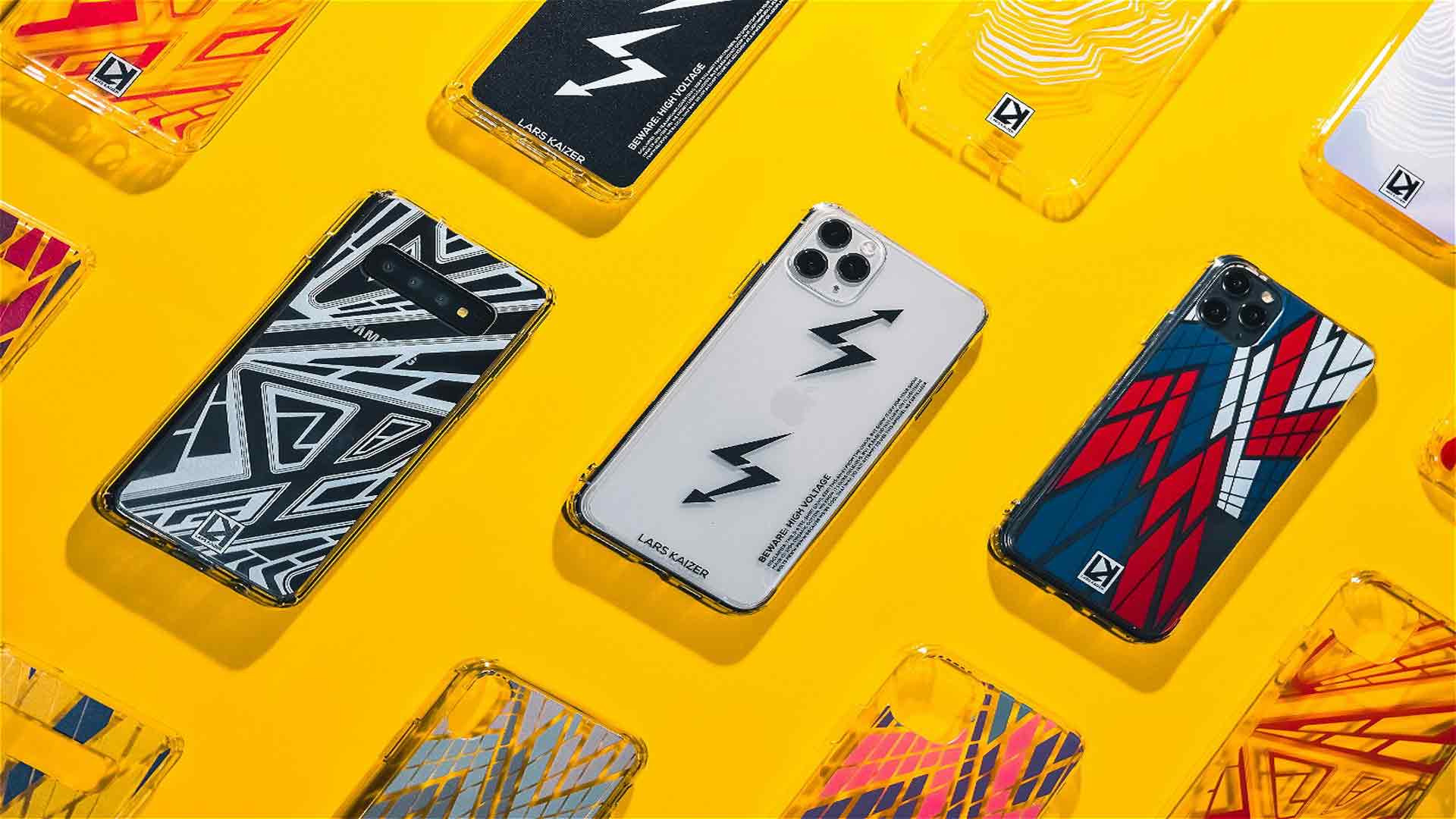
Apple and Samsung smartphones – they are among the most popular business devices on the market. But which model is better suited for use in a business environment? In this article, we compare iPhone vs. Samsung, the two smartphone giants, in terms of camera quality, battery life, performance, and business features. We consider the latest models, the iPhone 16 and the Samsung Galaxy S24, to help you decide on the best business smartphone.
Performance and Usability
A smartphone’s performance plays a crucial role in the business sector. Both Apple and Samsung have their own strengths. The iPhone 16 impresses with its new A18 Bionic Chip, which combines maximum efficiency and performance. Multitasking is handled effortlessly thanks to the optimized iOS software, which is particularly advantageous when using business apps like Microsoft Teams, Zoom, or Salesforce.
Samsung, on the other hand, offers similarly strong performance with the Galaxy S24. The S24 is equipped with its in-house Exynos processor, which is suitable for demanding applications. With 8 GB of RAM, the Galaxy S24 is designed for intensive multitasking, graphic editing, and even gaming.
Business Features and Personalization
When it comes to user interface customization, Samsung has a clear advantage. Samsung smartphones offer extensive personalization options: from individual themes to customizing app icons, keyboard layouts, and even fonts, almost anything is possible. iPhones have fewer options here, although Apple has added some customization features like widgets and color themes with iOS 18. Nevertheless, Samsung remains ahead in terms of customizability.
Camera Quality and Battery Life in Business Use
Both iPhone and Samsung offer powerful camera systems for business applications. The iPhone 16 features a 48-megapixel main camera and precise AI image optimization, while the Galaxy S24 offers more flexibility with a versatile triple camera (50-megapixel main camera, telephoto camera, and ultra-wide-angle camera) and 8K videography. In terms of battery life, Samsung has slight advantages with a 4,000 mAh battery compared to the iPhone 16 (3,561 mAh), while Apple impresses with more efficient power management. Both devices offer additional power-saving options for extended runtimes.
Operating System and Security Features
The operating system is another important factor when choosing a business smartphone. Apple traditionally relies on the closed iOS system, known for its security and seamless integration into the Apple ecosystem. With regular updates and features like “Find My iPhone,” Face ID, and encrypted iMessage messages, the iPhone is ideal for companies that require a high security standard.
Samsung uses the Android operating system and offers One UI, a customized user interface that provides many customization options. Additionally, there’s Samsung Knox, a special security platform that protects corporate data from attacks and offers the ability to strictly separate professional and private data. This feature is particularly useful in the enterprise sector, as it allows companies to easily configure and manage devices for employees.
Business Apps and Software Integration
Another point that plays a role in choosing the best business smartphone is software integration. Apple, with iOS, offers excellent interoperability among all Apple devices, making it easy to switch between iPhone, Mac, and iPad. Business apps like Microsoft Office, Google Workspace, and many CRM tools are optimized for iOS and run smoothly.
Samsung has invested heavily in collaboration with Microsoft in recent years. This allows Samsung smartphones to be easily paired with Windows computers, enabling users to directly access notifications from their PC, transfer files, and even run Android apps on Windows. Additionally, Samsung offers DeX, a feature that can transform the smartphone into a kind of desktop computer. This versatility is particularly attractive for business travelers and power users.
FAQ
- Is the iPhone or Samsung better for security requirements?
The iPhone is known for its high data security through iOS and Apple’s own security features like Face ID and encryption. However, Samsung offers Knox, an additional platform specifically developed for businesses, which allows for more flexibility in managing business data. -
What are the main differences between iPhone and Samsung?
The main difference lies in the operating system: iPhones use the proprietary iOS, while Samsung relies on Android. iPhones are known for their high security, ease of use, and seamless integration into the Apple ecosystem. Samsung, on the other hand, offers more customization options, a wider selection of models, and stronger integration of Google services.
-
What about longevity?
Both manufacturers are known for the high quality of their smartphones. However, iPhones generally receive software updates for longer than Samsung devices, which can extend their lifespan. However, Samsung has improved its update policy in recent years and now offers up to 4 years of software support for its top models.
Read More
iPhone 16 technical data: Everything important at a glance
iPhone 16 technical data: All the highlights at a glance - State-of-the-art technology and impressive
Sep
iPhone vs. iPhone Pro – Which model is right for you?
iPhone vs. iPhone Pro: Which model is the better choice? A comparison of the differences
Sep
New Samsung Devices – What to Look Forward to in July 2024
New Samsung Devices: Cutting-Edge Technology for Your Business – Innovation, Performance, and Efficiency in Focus!
Jul
Read more - You may also be interested in
Would you like to delve deeper into the topic or discover similar content? Below, we have compiled three additional articles for you that are thematically related to this article. These may also be relevant and interesting for your company.
Technology trends
Shadow AI in everyday office life: risks, rules and safe alternatives for companies (intended for event/project teams & temporary devices)
Shadow AI in everyday office life: Recognize 2026 risks & safe alternatives for event and

Advisor
Deepfake fraud & social engineering: protective measures for event staff, promotion teams and rental equipment
Deepfake fraud & social engineering 2025: How to protect events, promotion teams & rental equipment.
Feb

Technology trends
NIS2 compact for event IT & hardware rental: What companies should implement organizationally & technically now
NIS2 Directive 2025: How event IT & hardware rental companies are implementing organizational & technical
Feb

Technology trends
VR glasses 2025/2026 for trade fairs & events: device overview and selection criteria
VR glasses for trade fairs 2025/2026: The latest models & top criteria. How to choose
Feb

Sustainability
Renting hardware instead of buying: Environmental benefits, capacity utilization and carbon footprint
Why rent 2025 hardware? Reduce CO₂, optimize capacity utilization & benefit from sustainable IT solutions
Feb
Technology trends
USB-C/docking stations & “one cable for everything”: efficient workstation setups for events and pop-up offices
One cable for everything: How USB-C docking stations enable efficient workstation setups at events &
Feb

Sustainability
Sustainable logistics in IT: reusable transport boxes, return shipping without packaging waste & secure delivery
Sustainable IT logistics 2025: reusable transport boxes, waste-free returns & secure delivery. Modern solutions for
Jan

Sustainability
Circular economy through rental/leasing instead of buying: CO₂, costs and flexibility in comparison
Sustainable & flexible: circular economy through rental/leasing instead of buying! CO₂ reduction, costs & agility
Jan