




Sustainability
Rent Sustainable IT: how Rental Hardware Reduces CO₂ Emissions in Companies
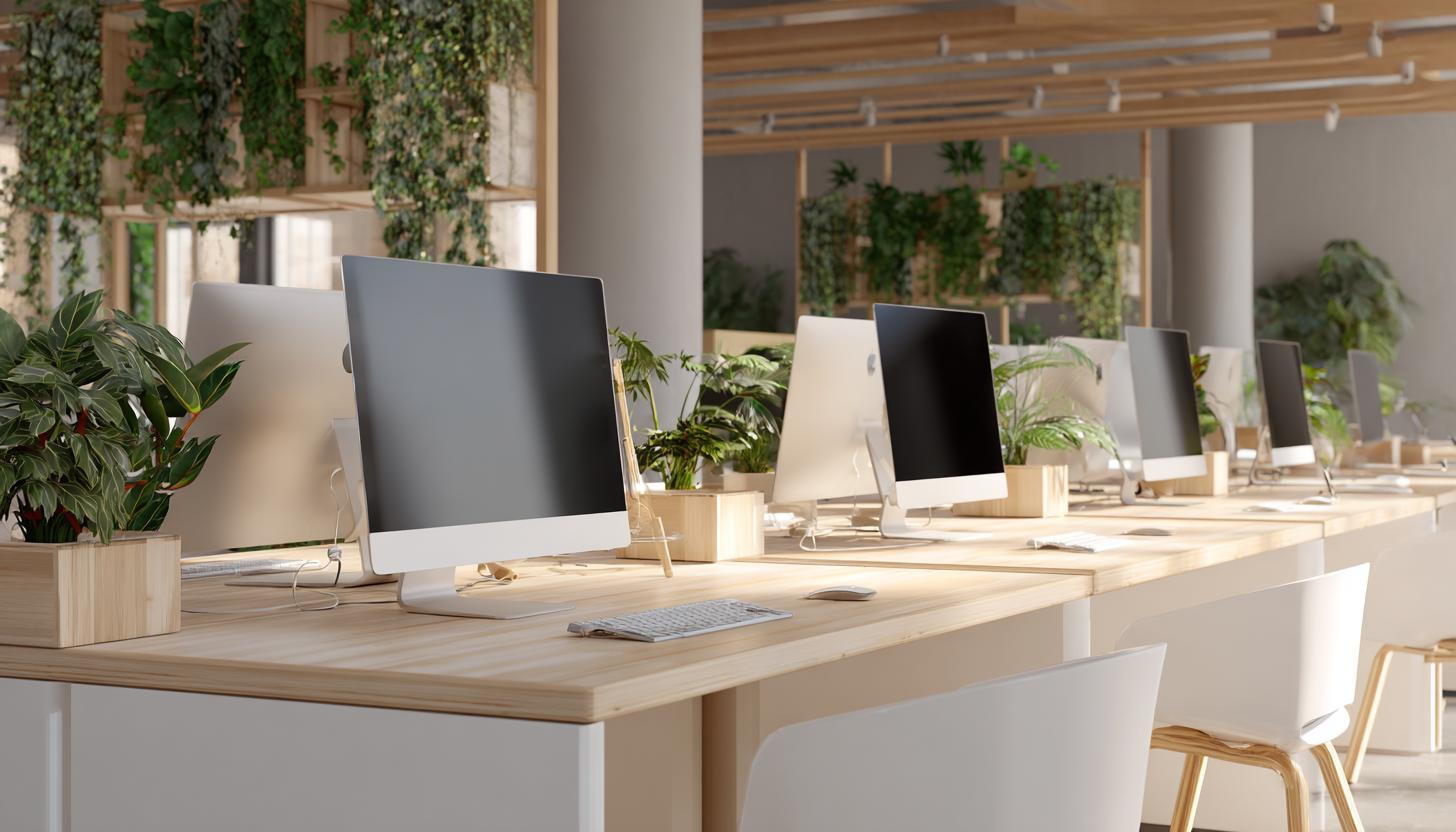
Rent Sustainable IT: how Rental Hardware Reduces CO₂ Emissions in Companies
Digitalization is progressing rapidly – coupled with a steadily increasing demand for IT hardware. Companies need a modern technical infrastructure to remain competitive. At the same time, they face the challenge of reducing their CO₂ emissions and operating more sustainably. The solution is often closer than you think: Instead of buying devices, more and more companies are choosing to rent their IT sustainably. In this context, renting computers offers a flexible and sustainable alternative to the classic hardware purchase.
In this article, we explain how sustainable IT rental can save significant amounts of resources and emissions, what advantages this model offers, and why it makes more sense for companies in the long term than traditional purchasing.
Why IT is Being Rented Sustainably Today
In 2025, a significant paradigm shift has become established in the corporate world: Waste of resources is no longer only viewed critically for cost reasons, but also out of climate policy responsibility. In this context, so-called
This approach pays off particularly well for IT end devices such as business smartphones, laptops, tablets or monitors. The production of electronic devices requires an enormous amount of resources and energy. According to a study by the German Environment Agency, the production of a single laptop accounts for around 300 kilograms of CO₂ – the equivalent of a car journey of around 1,800 kilometers.
IT Rental vs. Purchase: CO₂ Comparison
Sustainable IT rental means that each device is used as long and efficiently as possible. Through maintenance, refurbishment and repeated rental, its life cycle is drastically extended. This leads to significant CO₂ savings compared to buying new devices every one to two years. Particularly powerful and versatile alternatives such as the HP Spectre x360 2-in-1 Laptop not only offer current performance, but can also be used in a particularly resource-saving manner via the rental model.
| Criterion | Purchase of new hardware | Sustainable IT rental |
|---|---|---|
| CO₂ emissions per device | Up to 300 kg CO₂ (one-off) | Up to 70% less through multiple use |
| Lifespan of the device | 1–3 years | 5–7 years with refurbishment |
| Resource efficiency | Low | High (through recycling) |
| Total costs after 5 years | High (multiple purchases) | Medium to low (controlled rental cycles) |
The Ecological Advantages at a Glance
Switching to a rental model for IT brings numerous ecological advantages:
- Reduced consumption of earth resources: Fewer raw materials such as rare earths, cobalt or lithium are consumed.
- Less electronic waste: Rental devices are more frequently reprocessed and re-rented instead of being disposed of.
- Longer usage cycles: Professional refurbishment drastically extends the lifespan of products. As an example, the versatile HP Omnibook Ultra Laptop can be mentioned, which is characterized by high durability and receives several usage cycles thanks to the rental model.
- Lower transport emissions: Centralized rental fleets reduce delivery distances through optimized logistics chains.
Economic Benefits for Companies
In addition to ecological responsibility, sustainable IT rental models also offer economic advantages for companies:
- Predictable costs: Fixed monthly rental prices facilitate budget planning and prevent unexpected expenses.
- Fast scaling: Companies can react flexibly to scaling or downsizing teams. They benefit from both classic notebooks and, if they simply rent smartphones – ideal for temporary projects and changing team sizes.
- Technological up-to-dateness: Tenants regularly benefit from current devices and do not have to bear any acquisition costs.
- Maintenance & support included: Technical support and replacement in the event of defects are often included in the service.
Certificates and Audits: Transparently Prove Sustainability
More and more companies are required to submit sustainability reports or meet ESG criteria. With rented IT, emissions can be measurably and verifiably reduced. Powerful providers now supply CO₂ certificates, proof of use and impact reports on request, which are incorporated into company or sustainability reports. This not only increases transparency, but also strengthens the brand image.
Example from Practice: Achieve Climate Goals Faster
At the beginning of 2023, a medium-sized company with 200 employees in the IT industry decided to rent all workplace computers, tablets and smartphones sustainably. Especially with mobile devices such as
- Reduction of CO₂ emissions by 42%
- 60% lower costs for IT maintenance and replacement devices
- 100% transparent tracking of resource-saving circular use
These figures are based on internal audit reports and cooperation with a certified IT rental provider that guarantees reprocessing and documents sustainability.
How to Make your IT Strategy more Sustainable
If you want to make your IT more sustainable and at the same time more flexible, follow these steps:
- Analyze your current IT equipment inventory and its life cycles.
- Choose an experienced IT rental service provider with refurbishment services and proof of sustainability.
- Compare total costs (TCO) of purchase and rental over 3 to 5 years.
- Use reporting options for your sustainability communication.
- Start with a small area (e.g. mobile devices) and then expand gradually, for example by using the iPhone 16e in the rental model as a pilot project.
FAQ – Frequently Asked Questions about Sustainable IT Rental
- How does sustainable IT rental work in practice?
- Companies rent devices for a defined period (e.g. 6, 12 or 24 months). After expiry, the devices are checked, refurbished and re-rented if their condition allows. This cycle reduces electronic waste and emissions.
- What happens to old devices after the rental period?
- Devices are checked, cleaned, refurbished and prepared for the next use by the provider. Defective devices are professionally recycled.
- Which devices can be rented?
- Typical are notebooks, smartphones such as the Samsung Galaxy S25 Ultra, tablets, monitors, accessories and increasingly also servers or storage solutions.
- Are rented devices technically outdated?
- No. The devices meet current standards or are regularly updated to the latest standard by “mid-life refurbishment.”
- Does sustainable IT rental contribute to ESG reporting?
- Yes. Providers can prove CO₂ savings and reuse rates and often provide official reports for ESG reporting.
Conclusion: Sustainable IT Rental is a Win for Companies and the Environment
In 2025, renting IT hardware is more than just a financially smart step – it is a commitment to ecological responsibility and sustainable management. Companies benefit from flexibility, lower costs, predictable expenses and a strong sustainability signal – both internally and externally.
Anyone who opts for the “Sustainable IT rental” model measurably reduces CO₂ emissions, relieves the burden on the environment, reduces electronic waste and at the same time extends the usage cycles of technological devices. Especially in the B2B sector, these effects can have enormous positive effects on the corporate climate balance in total.
Set an example – and rent your IT hardware sustainably. Discover our range of devices – whether computer, smartphone, tablet or innovative models such as the HP Spectre x360 – compare models and submit your non-binding request directly.
Read more - You may also be interested in
Would you like to delve deeper into the topic or discover similar content? Below, we have compiled three additional articles for you that are thematically related to this article. These may also be relevant and interesting for your company.

Rental solutions for companies
iPads/tablets for registrations & lead capture at events: setup, accessories and best practices
iPads & Tablets 2026 for Event Registration & Lead Capture: Top Setup, Accessories & Best
Apr
Technology trends
Apple vs. Windows in event use: which devices are better suited for which use cases
Apple or Windows for events in 2026? We show strengths, weaknesses & areas of application
Apr
Advisor
Phishing & social engineering at trade fairs: Typical attacks and protective measures for teams on site
Phishing & social engineering at trade fairs 2026: Recognize typical attacks, protect your team &
Mar
Advisor
Windows 11 rollout & end of Windows 10 support (2026): What companies should consider now when renting and leasing devices for projects, events and rollouts
Windows 11 rollout & end of support for Windows 10: What companies need to consider
Mar
Rental solutions for companies
Fiber to the room (adhesive fiber optics) for exhibition stands & pop-ups: plan, install and remove temporary high-speed cabling without leaving any residue
Discover the advantages of adhesive glass fiber for your exhibition stand: high-speed, flexible, residue-free &
Mar

Technology trends
Shadow AI in everyday office life: risks, rules and safe alternatives for companies (intended for event/project teams & temporary devices)
Shadow AI in everyday office life: Recognize 2026 risks & safe alternatives for event and
Mar

Rental solutions for companies
Plan event IT accessories correctly: stands, brackets, adapters & cables without stress
Plan your event IT accessories stress-free! Tips on stands, brackets, cables & more. Rent cleverly
Mar
Sustainability
Energy efficiency in temporary setups: energy-saving displays, mini PCs, standby concepts and on-site operation
Energy-efficient event technology 2026: Discover smart displays, mini PCs & standby tricks for sustainable events!
Mar