





Leasing Solutions for Businesses
Use iPhone as a company cell phone and privately – The best solution for companies
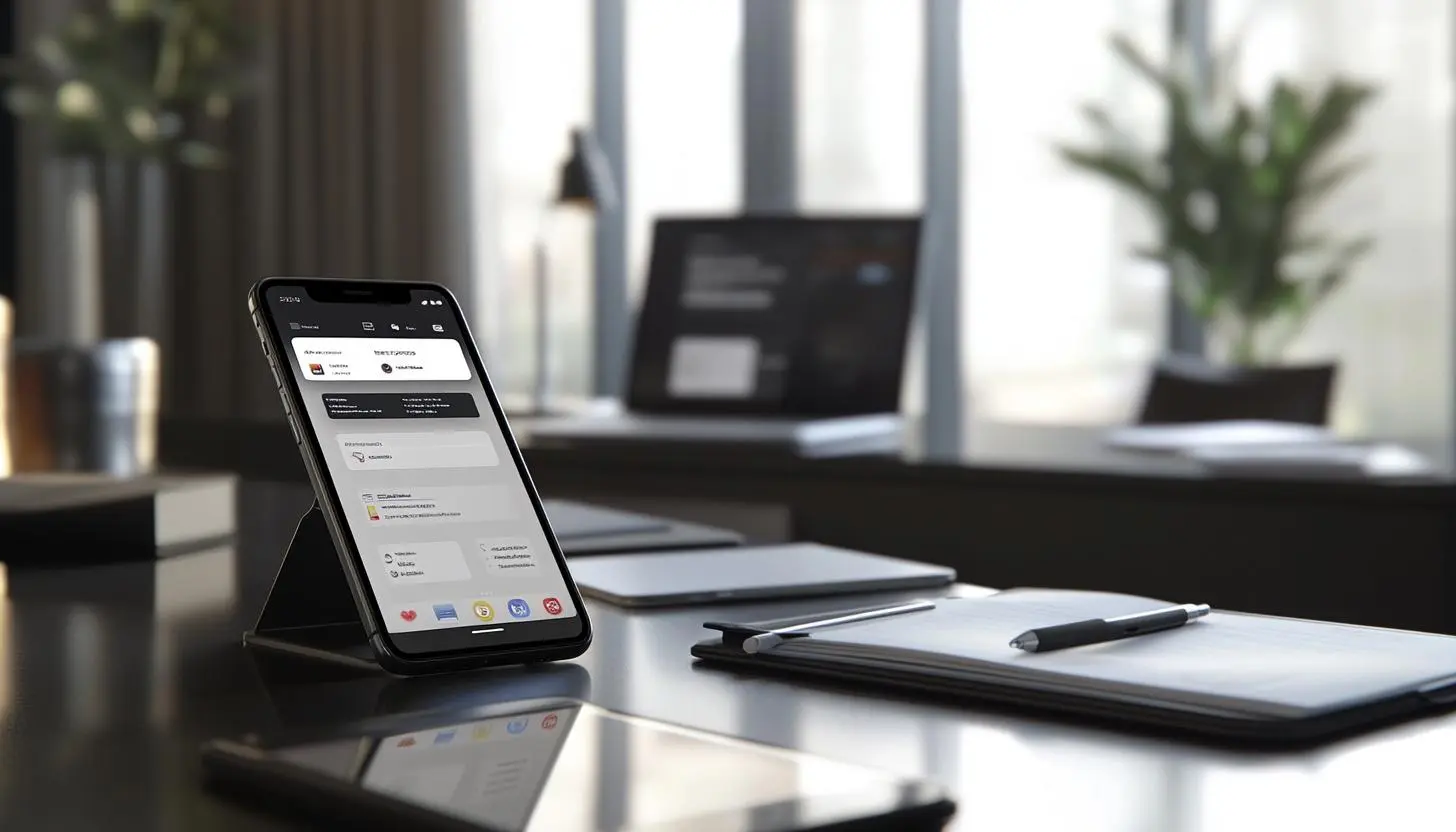
Many companies are faced with the question of whether they should provide their employees with an iPhone as a company phone while also allowing personal use. On the one hand, this eliminates the need for a separate device; on the other hand, it presents challenges related to data protection, security, and management. In this article, we’ll explore the pros and cons of using an iPhone for both business and personal purposes, the solutions available, and how companies can make the most of them. Those who want to remain flexible can also take advantage of rental options for suitable devices directly from iPhone.
Why use an iPhone as a company cell phone and for personal use?
Many employees prefer not to carry several smartphones with them. Especially if the work device is of a higher quality than the private device, there is a desire to use it for both purposes. The following reasons speak in favor of this solution:
- Cost savings: Companies avoid having to purchase an additional device.
- Convenience: A single smartphone for all purposes makes handling easier.
- Better accessibility: No switching between devices, which often leads to missed calls.
- Efficiency: Employees always have all important contacts and apps to hand.
Challenges in business and private use
Even if using an iPhone for both business and private purposes seems attractive, there are some challenges:
1. Data Protection and Security
Companies must ensure that business data is protected against unauthorized access. Private use must not become a security vulnerability.
2. mobile device management (MDM)
Many companies rely on solutions such as Apple Business Manager and MDM software to secure business data, regulate personal use, and ensure compliance with regulations.
3. separation of business and private data
A clean separation between business and private use is often a challenge. This is where solutions such as
Technical solutions for separating private and business use
There are various options for using an iPhone for both business and private purposes:
1. dual SIM function
Many iPhones support a second SIM card as an
2. business app solutions
Apps such as Microsoft Intune or Omnissa Workspace ONE enable the secure separation of business and personal data by keeping corporate data in a protected area.
3. mobile device management (MDM)
Companies can use MDM solutions to manage business applications, grant authorizations or block certain private functions to ensure security and productivity.
MDM vs BYOD – Which is the better solution?
| Aspect | MDM (Company Device) | BYOD (Personal Device) |
|---|---|---|
| Device Management | The company has full control over the device. | Employees use their own devices; the company has only limited access. |
| Security | Higher, since comprehensive company policies can be enforced. | Depends on the employee’s personal security measures. |
| Costs | The company covers the cost of the device. | Employees bring their own devices, reducing costs for the employer. |
| Flexibility | Fixed company policies determine how the device can be used. | Employees tend to use the device more frequently according to their own preferences. |
Recommendation: Rent an iPhone Instead of Buying One
An interesting option for companies is to
- Lower acquisition costs
- Always Up-to-Date Devices
- Comprehensive support and service
- Flexibility in the event of changes in the company
Mobile device management also makes it easier to manage rented devices.
Conclusion
Using an iPhone as a
Read more - You may also be interested in
Would you like to delve deeper into the topic or discover similar content? Below, we have compiled three additional articles for you that are thematically related to this article. These may also be relevant and interesting for your company.

Leasing Solutions for Businesses
Bring-Your-Own-Device vs. Rented Devices: When Each Strategy Is Worth It for Doctoral Programs
BYOD or Rented Devices? 📱 Find out which strategy is best for promotions in 2026—considering
Aug
Leasing Solutions for Businesses
TV/Display Rentals for Trade Show Booths & Events: Resolution, Mounts/Stands, Setup & Data Protection
TV and Display Rentals for Trade Show Booths and Events: Tips on resolution, mounts, stands,
Aug
Guide
Transfer Data Quickly Between PCs Without a USB Drive: Simple Methods for Event Teams
Transfer data quickly between PCs without a USB drive: simple, secure methods for event teams—from
Aug

Technology Trends
EUDI Wallet & Digital Identities: Potential Applications for Check-In, Access Control, and Verification at Events
EUDI Wallet at Events: Digital identities for fast check-in, secure access control, and reliable verification.
Aug
Sustainability
Making Packaging & Logistics Sustainable: Reusable Shipping Containers, Return Shipping Processes, and CO2 Reduction
📦 Making Packaging & Logistics Sustainable: Reusable shipping boxes, efficient return processes, and lower CO₂
Aug

Technology Trends
5G & Alternative Event Internet: Wi-Fi/5G Setup, VoWiFi, and Stratospheric Internet—What’s Realistic?
A Look at Internet for Events in 2026: 5G, Wi-Fi Setup, VoWiFi, and Stratospheric Internet.
Jul
Guide
Secure Wi-Fi on the Go & at Events: Which Smartphone/Hotspot Features You Should Disable and Why
Secure Wi-Fi on the Go & at Events: These Smartphone & Hotspot Features You Should
Jul

Guide
Geofence Warrants & Data Privacy: What Companies Need to Know About Location Data, Event Tracking, and Apps
Geofence Warrants & Data Protection 2026: What Companies Need to Know About Location Data, Event
Jul