





Guide
Cybercrime Contingency Plan for Events: Phishing, Ransomware, and DDoS—Immediate Actions and Points of Contact (BSI/Police)
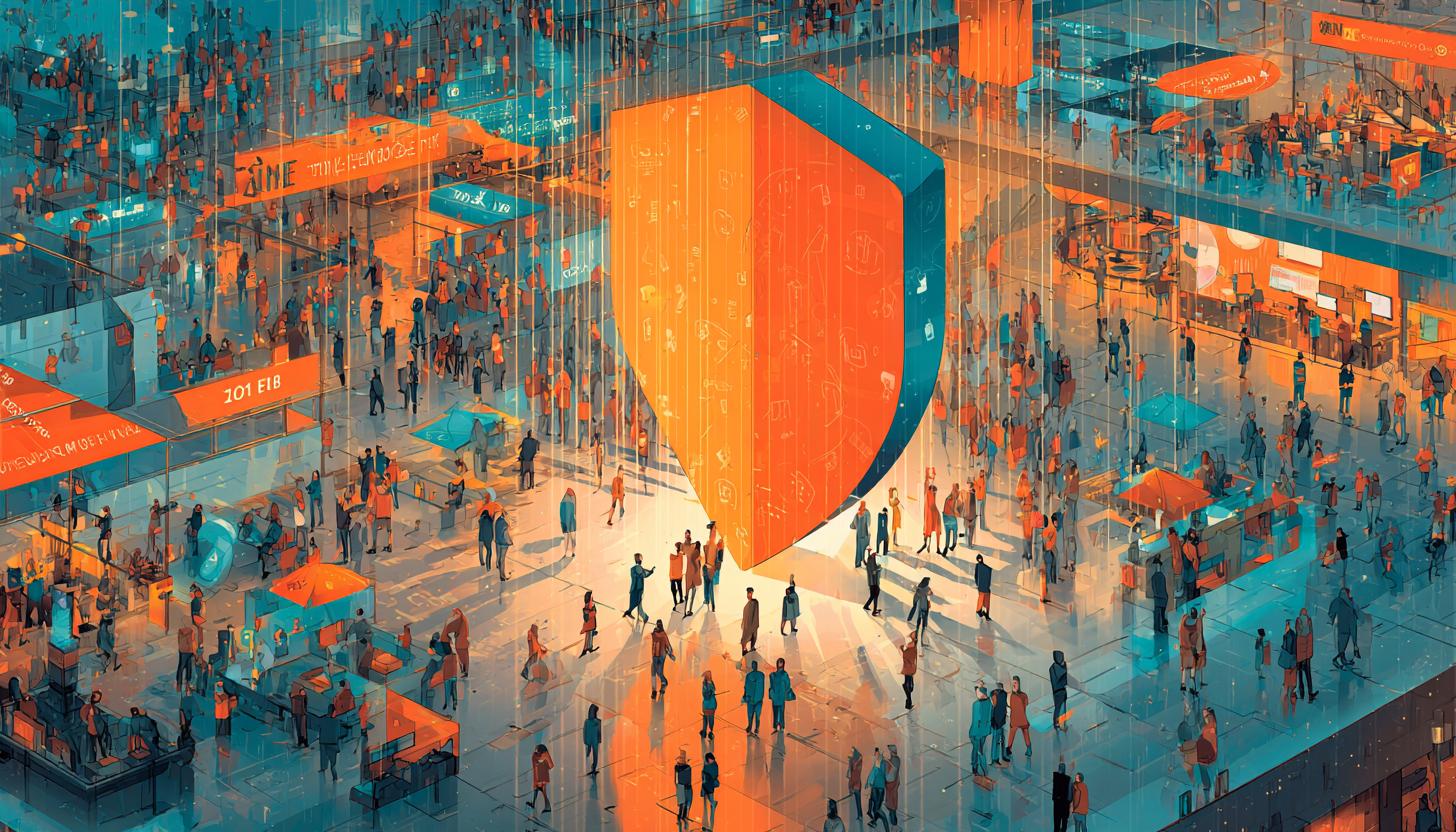
Cybercrime Contingency Plan for Events: Phishing, Ransomware, and DDoS
In today’s digital world, large-scale events such as conferences, trade shows, and sporting events are increasingly being targeted by cybercriminals. For event organizers and technology rental companies, it is essential to develop a robust cybercrime emergency plan that specifically addresses the prevention of threats such as phishing, ransomware, and DDoS attacks. In this article, we highlight the most important measures and strategies for protecting your events and show you innovative ways in which computer rental for events can offer you greater security and flexibility.
The Growing Threat of Cybercrime at Events
With the increasing number of digital devices used at events, the attack surface for cybercrime has expanded significantly—from simple laptops to complex network structures. Cybercriminals often target events to steal sensitive information, cause service disruptions, or demand ransom for encrypted data.
| Type of Attack | Description | Effects |
|---|---|---|
| Phishing | Deceptive messages designed to steal personal information. | Data loss, damage to reputation |
| Ransomware | Malware that encrypts data and demands a ransom. | Data loss, financial losses |
| DDoS | Overloading of server resources due to massive numbers of requests. | Server outages, loss of revenue |
Emergency Measures for Emergencies
The right response to cyberattacks can mean the difference between a quick recovery and a protracted, costly outage. Here are some immediate steps you can take to minimize the damage:
- Establish Initial Contact: Have the contact information for IT security experts on hand. This includes both internal IT teams and external partners such as the BSI or dedicated forensic services.
- Isolate systems: Immediately disconnect infected systems from the network to prevent the malware from spreading.
- Preserve evidence: Secure logs and evidence to identify the source and nature of the attack.
- Notify those involved: Communicate openly and transparently with your employees and customers about the incident.
- Follow the emergency plan: Activate predefined emergency protocols and instructions.
Point of Contact for Cyberattacks
One of the most important questions in the event of a cyberattack is: Who should you contact? Here are some of the key contacts you can reach out to in the event of an incident:
- BSI (Federal Office for Information Security): Provides information and advisory support in the event of cyberattacks.
- Local police: For reporting crimes and receiving assistance from cybercrime units.
- External IT security experts: Specialists in resolving cybersecurity incidents.
Technological Solutions to Protect Your Events
To protect themselves against cyber threats, event organizers should rely on technological solutions that are both reactive and preventive. In addition to tried-and-true firewalls and antivirus software, a high-performance router is recommended as the foundation for any event—for example, through rental of a FritzBox 7490 to ensure a reliable and secure network. Rental of additional routers and network accessories for events also significantly increases the stability and security of your setup.
- Firewalls and antivirus software: Rely on proven security programs that can fend off attacks.
- Network monitoring: Monitor network activity in real time to detect anomalies immediately.
- Encryption: Encrypt your sensitive data to protect it in the event of an attack.
- Access controls: Implement multi-factor authentication and role-based access rights.
How Choosing the Right Technology Products Can Help
Event organizers can overcome many of the challenges discussed by using specially secured devices. B2B equipment rental not only gives you access to the latest hardware but also ensures that it is regularly maintained and operated securely. We particularly recommend modern laptops such as the HP Dragonfly G4 business laptop with the latest security features, or flexible 2-in-1 solutions like the Surface Pro 10, which offer rental options for mobile, secure work at events.
- Cost Efficiency Through Pay-Per-Use Models
- Access to the latest security updates and support
- Flexibility to meet the specific needs of your event
- Use of state-of-the-art technology without high upfront investments
FAQ
How often should a cybercrime emergency plan be updated?
The plan should be revised at least once a year and additionally in the event of incidents or new threats.
Can a technical device be completely protected against cyberattacks?
There is no 100% protection, but the risk can be minimized through regular updates, security measures, and proper use. Those who rely on up-to-date, professionally maintained computers for events also benefit from short innovation cycles and regularly enhanced security.
Who is liable in the event of an attack on leased hardware?
Equipment rental companies often offer comprehensive security measures, but contractual terms should be clarified in advance. Ask your equipment rental partner for detailed information about updates, support, and security.
Conclusion
A comprehensive cybercrime contingency plan is essential for events in the digital age. Through preventive measures, strategic management, and the use of state-of-the-art technology—such as business-optimized laptops or flexible Windows solutions —events can be largely protected against digital threats. Renting high-quality computers and investing in a secure network infrastructure—such as high-performance routers—also provide additional security and flexibility. By implementing these security strategies, you not only protect your event data but also strengthen your customers’ confidence in your ability to ensure a secure and seamless event.
Read more - You may also be interested in
Would you like to delve deeper into the topic or discover similar content? Below, we have compiled three additional articles for you that are thematically related to this article. These may also be relevant and interesting for your company.

Leasing Solutions for Businesses
Bring-Your-Own-Device vs. Rented Devices: When Each Strategy Is Worth It for Doctoral Programs
BYOD or Rented Devices? 📱 Find out which strategy is best for promotions in 2026—considering
Aug

Leasing Solutions for Businesses
TV/Display Rentals for Trade Show Booths & Events: Resolution, Mounts/Stands, Setup & Data Protection
TV and Display Rentals for Trade Show Booths and Events: Tips on resolution, mounts, stands,
Aug
Guide
Transfer Data Quickly Between PCs Without a USB Drive: Simple Methods for Event Teams
Transfer data quickly between PCs without a USB drive: simple, secure methods for event teams—from
Aug

Technology Trends
EUDI Wallet & Digital Identities: Potential Applications for Check-In, Access Control, and Verification at Events
EUDI Wallet at Events: Digital identities for fast check-in, secure access control, and reliable verification.
Aug

Sustainability
Making Packaging & Logistics Sustainable: Reusable Shipping Containers, Return Shipping Processes, and CO2 Reduction
📦 Making Packaging & Logistics Sustainable: Reusable shipping boxes, efficient return processes, and lower CO₂
Aug

Technology Trends
5G & Alternative Event Internet: Wi-Fi/5G Setup, VoWiFi, and Stratospheric Internet—What’s Realistic?
A Look at Internet for Events in 2026: 5G, Wi-Fi Setup, VoWiFi, and Stratospheric Internet.
Jul
Guide
Secure Wi-Fi on the Go & at Events: Which Smartphone/Hotspot Features You Should Disable and Why
Secure Wi-Fi on the Go & at Events: These Smartphone & Hotspot Features You Should
Jul

Guide
Geofence Warrants & Data Privacy: What Companies Need to Know About Location Data, Event Tracking, and Apps
Geofence Warrants & Data Protection 2026: What Companies Need to Know About Location Data, Event
Jul